
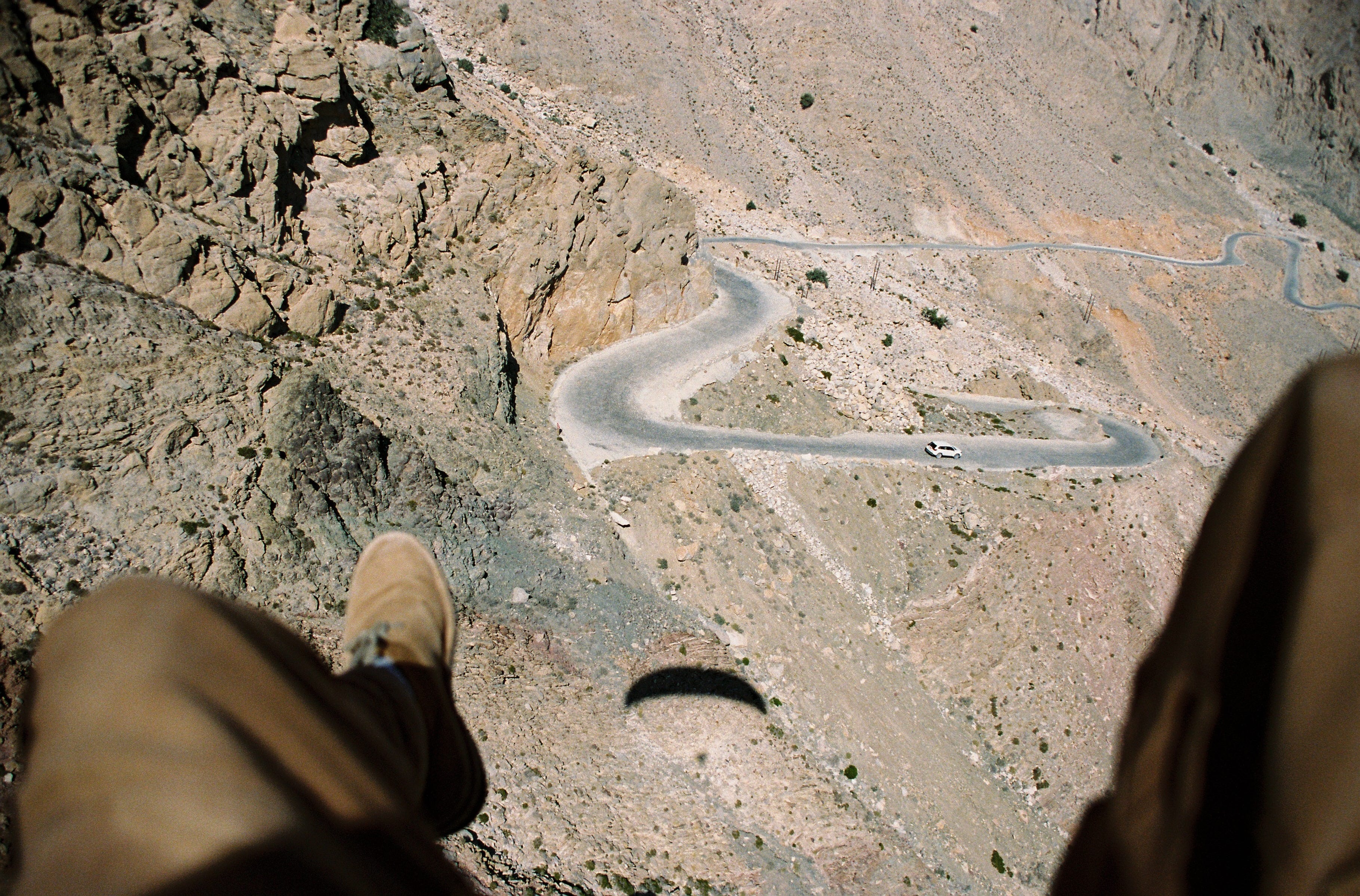
What’s better than a new day, a new beginning, full of possibilities. A clean slate. The notion that you can be a whole new person. Even if the options available to us seem so circumscribed, categories on a drop down menu — this year I’m going to be a health nut, a mystic, a traveler, a foodie — and articulated mostly by market behavior (the buying of wellness goods or woowoo materials, airplane tickets or restaurant dinners), what a privilege it is to play in the fantasy that the future is unwritten, like a dream that we are flying. That we can go into some new and novel future, be new and novel forms of ourselves. Spanish-speaking, kung fu fighting, 32-inch-waisted versions of ourselves, maybe.
I think I was long gone by the time the clock hit midnight here, but a while prior I was reading Cristina Rivera Garza’s Death Takes Me, a gnarled and delicious mystery, poem, meditation. Garza’s book, The Taiga Syndrome, was maybe my favorite (reading) discovery last year, and, if anything, I have resolved to be even more selfish in my reading attentions this year — reading not what I am supposed to, ought to, but chasing the fluffy rabbit of inspiration wherever she goes, down whatever odd little tunnels of fascination I can find. Garza’s book that won the Pulitzer, Liliana’s Invincible Summer, will likely follow. And what a nice feeling, that — maybe the only thing that can compete with the blue sky potential of identity — having a next read lined up.
There is an artwork in the room where I’m staying that I am always so entranced with, a lithograph by the Californian artist Charles Christopher Hill. The print has a kind buff depth to it that makes it read like a kind of collage, a palimpsest, in a way that I really love. Maybe it is a very Angeleno thing — Hill apparently came up with the postwar Cali kids like Chris Burden and Ed Moses — but the topographical effect of this print, like paintings by the Angeleno Mark Bradford, say, along with the mystery and delicacy of their construction really get me. This and the other prints from this series feel like fantastical, imaginary maps to some fraught, futuristic kingdom, already in ruins. Or more like the memory of the map, clouded with forgetting, and clustered with associations, odd imagery, snatches of illegible description, layered and fading, as is most of my recall. They feel like the way we imagine. The way we remember. The way we forget.
A movie I have been thinking a lot about of late is Three Colors: Red, by Krzystof Kieslowski, in part because of it’s depiction of image-economics and isolation at a time just before the European Union, a time just before email. In a way it feels like a special kind of time capsule, and immaculate in its appearance — it is so so beautiful to look at, and the star, Irene Jacob, who played to dual lead in Kieslowski’s Double Life of Veronique, here playing a model in Geneva, is mesmerizing. I won’t get too gritty into the plot or the themes, but there is something oddly enchanting about looking back at the way the world worked in the sort of pre-digital, pre-homogenized time in the mid 90s where the film is set, a time that I look back on with real nostalgia. The film itself plays a bit like a modern fairytale — even if a bit nonsensical, like, why is an in-demand model living in Geneva where there is not now and to my knowledge never was a thriving fashion industry, unless the setting is merely a metaphorical French-tinged town on the edge of lake. I went to Geneva a couple of weeks ago, in no small part because of my fixation on the movie, and wanting to tramp around the glorious medieval old town there, to walk along the edges of the lake, to have fondue and cuddle into cozy cafes in the blue dusk as snow flurries settled into the foggy skies, gathering some of the amber light from street lamps. It was heaven just as the Grimm-Gothic-but 90s cosmopolitain Geneva setting of Red is. God I want to go back to Switzerland. Maybe I’ll just watch the film again now. Anyway, off to the gym. The me I am going to be is already late.